Skin & texture
RF microneedling: benefits, risks, and questions to ask
A cautious guide to RF microneedling, including how it works, FDA safety concerns, suitability, and questions for your consultation in Millstone, NJ.
By Radiant Laser Aesthetics & Wellness · Patient education
At a glance
RF microneedling combines needles with radiofrequency energy. It is a medical procedure with meaningful risks, and suitability must be assessed individually.
How RF microneedling works
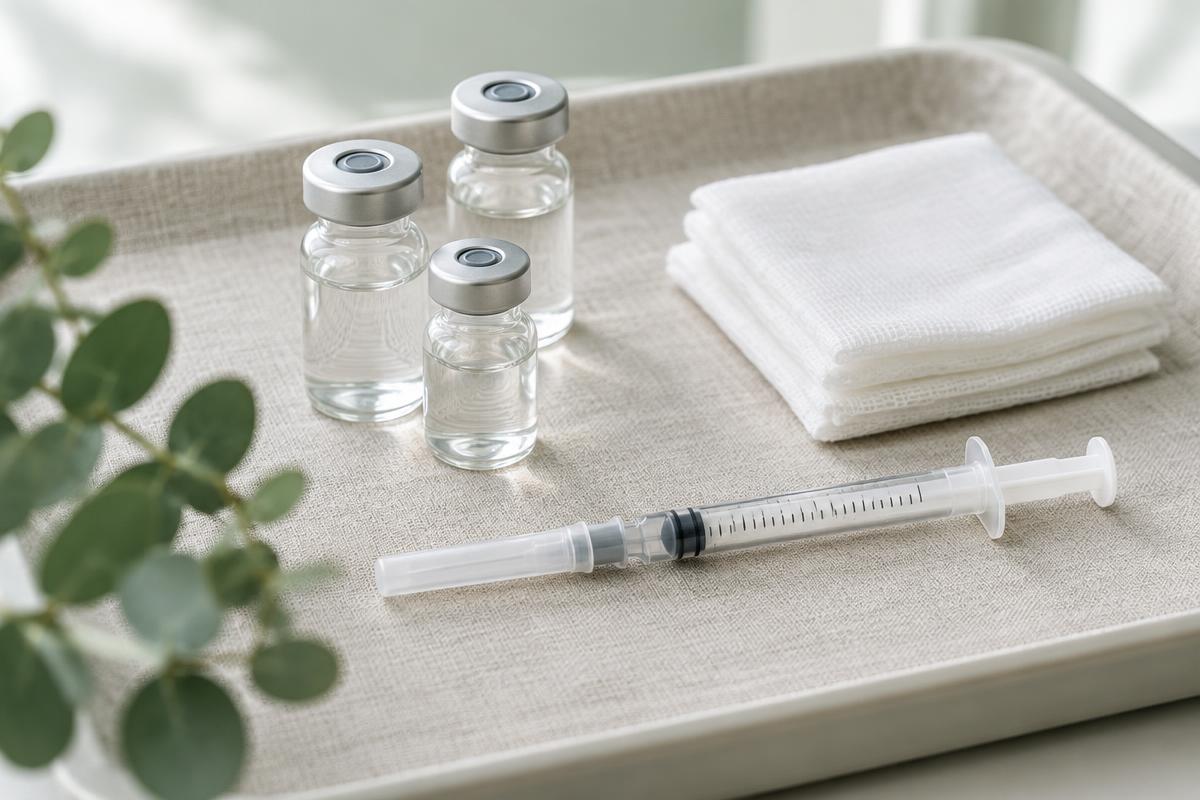
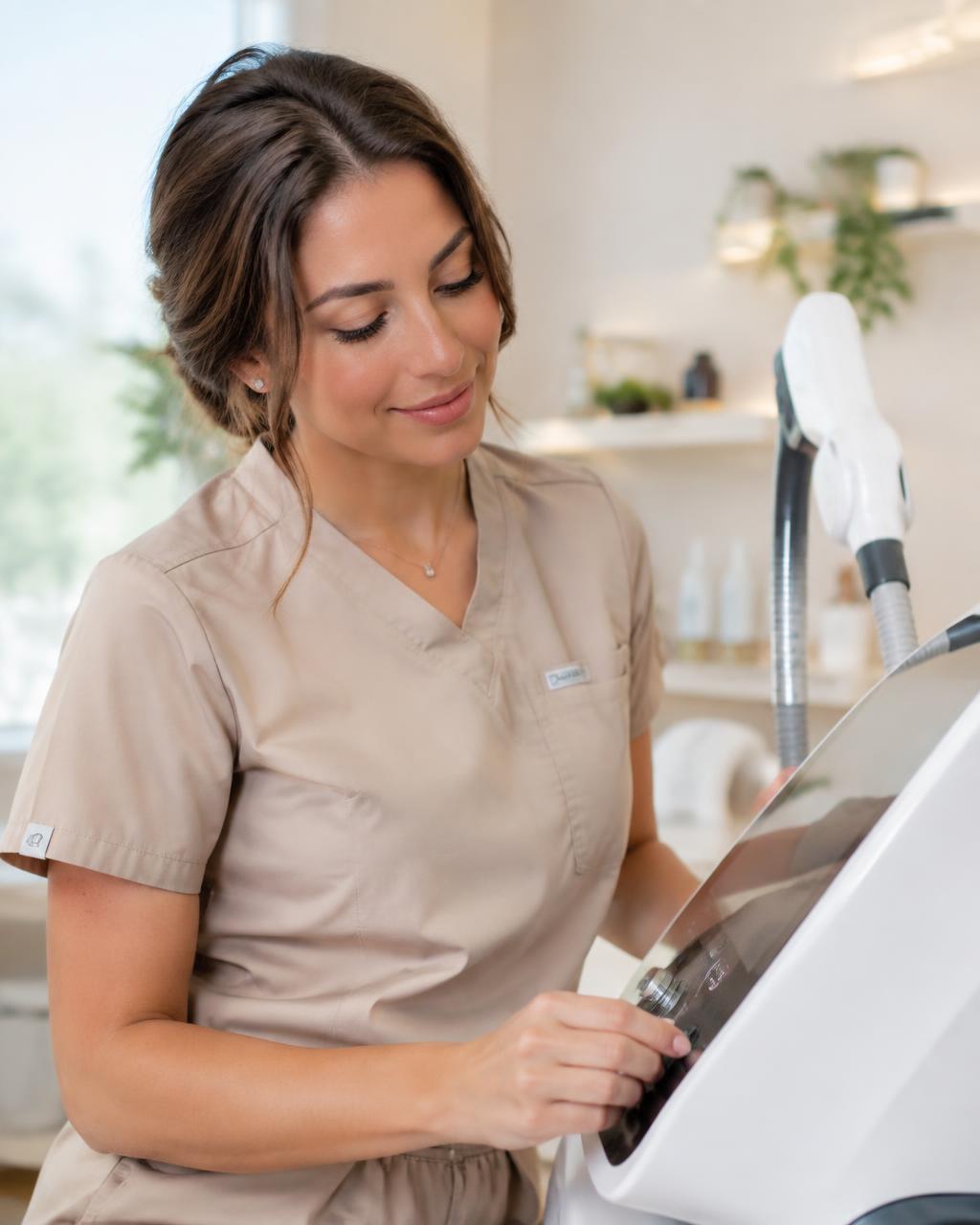
Microneedling uses needles to enter the skin. Radiofrequency, or RF, microneedling adds energy that heats tissue through those needles. It is different from a surface facial and from microneedling without RF. The device and settings influence where and how energy is delivered.
Some devices are authorized for particular aesthetic uses, but that does not mean every device, treatment area, or advertised claim is FDA-authorized. Ask for the specific device name and the intended use being discussed for you.
Why people ask about it
People often explore microneedling for concerns involving texture, wrinkles, or the appearance of scars. Whether RF is appropriate for a particular concern requires a clinical assessment. Results vary, and an article cannot predict how your skin will respond or how many sessions you may need.
Radiant lists RF microneedling among its treatment options. Availability is not a recommendation for every person. Discuss alternatives, including approaches without RF, and ask whether doing no procedure is a reasonable option for your goals.
Important FDA safety concerns
The FDA has reported serious complications with certain uses of RF microneedling, including burns, scarring, fat loss, disfigurement, and nerve damage. Some reported injuries have required medical or surgical treatment. These concerns deserve a direct conversation before you decide to proceed.
RF microneedling should not be treated as a home skincare routine. Ask about provider training, experience with the device, and the plan for responding to complications. General phrases such as ‘minimal downtime’ do not replace a discussion of the risks relevant to your skin and treatment area.
Who needs an individualized assessment?
Not everyone is a suitable candidate. Your provider needs to understand your skin condition, healing history, medications, previous treatments, and medical history. Tell them about active skin infections, scarring tendencies, and any concerns about healing or pigment changes.
Disclose pregnancy or breastfeeding, implanted devices, and all medicines and supplements so the clinician can assess the proposed procedure. Do not assume that a friend’s experience means the same treatment is appropriate for you, and do not stop medication without medical advice.
Preparation and recovery questions
Ask which products and activities you should avoid before and after treatment, what changes are expected while skin recovers, and whom to contact if symptoms worry you. Your instructions should be specific to the device and treatment plan. There is no single recovery schedule that applies to every RF procedure.
Useful questions include: What benefit is realistic? What alternatives are available? What are the risks for this treatment area? Who will perform it? Which symptoms need urgent care? Ask for clear follow-up guidance and a written estimate before committing to a course of treatment.
Start with a conversation in Millstone
At Radiant Laser Aesthetics & Wellness, treatment planning begins with discussing your goals and whether an option is suitable. Visit us at 490 Route 33, Suite 6, Millstone, NJ 08565, and bring questions about benefits, alternatives, and safety. This guide supports that conversation; it does not replace it.
Sources & further reading
- FDA — Potential risks of certain uses of RF microneedling
- FDA — Microneedling devices
- FDA — Microneedling benefits, risks, and safety
General education only; not personal medical advice. Results and risks vary. Treatment suitability, preparation, and aftercare must be discussed with a qualified clinician. Illustrative images are not patient results.